Get up to 15% Off on Chosen Handbags

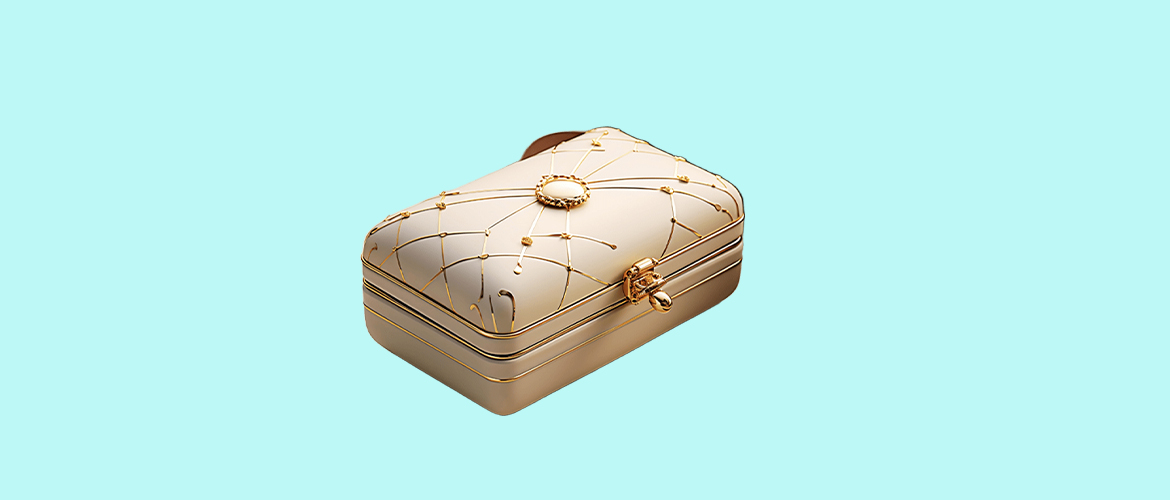
For decades, the world of fashion was dominated by the idea that beauty required a certain level of sacrifice. We carried bags that were stunning to look at but lacked the basic functionality to support a busy life.
However, a significant shift in occurring as modern users demand more from their accessories. The focus has moved away from purely ornamental pieces toward a philosophy where practical design is the primary driver of style.
This evolution is reshaping the industry, proving that a handbag can be both a visual masterpiece and a high-performance tool that simplifies your daily routine. The contemporary landscape values efficiency and ease of movement above all else. As our lives become more integrated with technology and our schedules more fluid, the objects we carry must adapt. A bag is no longer just a fashion statement; it is a mobile command center.
This shift toward utility does not mean a decline in elegance. Instead, it has birthed a new aesthetic where the beauty of an object is found in how well it functions. When a design solves a problem, it gains a level of sophistication that a purely decorative item can never achieve, creating a harmonious balance between form and function.
The Rise of Intuitive Architecture
An impactful change in modern handbag design is the focus on internal architecture. In the past, the interior of a sophisticated bag was often a vast, dark cavern where items were easily lost. Today, designers are prioritizing organization as a core feature. This means the inclusion of dedicated compartments for specific tools like smartphones, tablets, and chargers.
When every item has a designated home, the psychological weight of carrying a bag is significantly reduced. You no longer have to fumble for your keys or search frantically for a pen during a meeting. This level of organization provides a sense of calm and control.
Practicality also extends to how a bag is accessed. Magnetic closures that snap shut automatically, dual direction zippers, and wide mouth openings are all examples of how design is being used to save time.
These features are not just convenient; they are essential for someone navigating a fast-paced urban environment. When you can reach into your bag and find exactly what you need with one hand, the bag becomes a seamless extension of your body. This intuitive nature is the hallmark of modern sophistication, where the greatest value is found in the time and effort saved throughout the day.
Furthermore, the materials used for the interior are being reconsidered. Light colored linings are becoming more common because they reflect light, making it easier to see the contents in dim settings.
Durable, wipeable fabrics ensure that the inside of the bag stays as pristine as the outside, even with daily use. These thoughtful touches show that the designer has considered the reality of the user's life. It is an empathetic approach to fashion that recognizes that a bag is used in the real world, not just on a pedestal. By focusing on these internal details, brands are building deeper loyalty with users who value substance.
Ergonomics and the User Experience
The physical impact of carrying a bag for several hours is a major factor in the shift toward practical design. Ergonomics, once a term reserved for office chairs and industrial tools, is now a vital part of the accessory world.
Designers are looking at weight distribution, strap width, and the placement of handles to ensure that a bag is comfortable to carry, regardless of how much it holds. A bag that causes strain or discomfort is no longer acceptable, no matter how famous the logo might be.
This focus on physical well-being is a direct response to the active lifestyles of modern professionals. Padded straps and adjustable lengths allow for a customized fit, ensuring the bag sits correctly against the body. This prevents the bag from swinging awkwardly or digging into the shoulder during a long commute.
Additionally, the use of lightweight materials is a growing trend. Advances in leather processing and the development of high-quality synthetic alternatives allow for large, structured bags that weigh significantly less than their predecessors.
This reduction in "base weight" means you can carry more of what you actually need without the physical penalty. It is a design philosophy that prioritizes the comfort of the individual over the rigid traditions of the past.
The versatility of carrying options is another ergonomic win. Many modern bags feature a multi-way system, allowing them to be carried as a tote, a shoulder bag, or a backpack. This flexibility is crucial for people who move through different environments throughout the day.
You might start your morning with a professional tote and transition to a hands-free backpack for your commute home. This adaptability ensures that your bag remains functional in every scenario. It acknowledges that your needs change from hour to hour, and your accessories should be able to keep up without requiring a total change of outfit.
Material Innovation for Longevity
Practical design is also about durability and the ability of a bag to withstand the elements. In an era where sustainability and conscious consumption are at the forefront, a bag that lasts is more desirable than one that follows a fleeting trend.
This has led to an increase in the use of water-resistant coatings, scratch resistant leathers, and reinforced bases. These innovations ensure that a bag remains in its peak condition despite the rigors of daily travel and varying weather conditions.
Whether you don’t have to worry about a sudden rain shower ruining your asset, you move through the world with freedom. Reinforced corners and protective feet are small but significant additions that prevent wear and tear on the areas that are prone to damage.
These features extend the lifespan of the bag making it a more sensible and reliable choice. The focus on longevity is a push back against the throwaway culture of fast fashion. It encourages users to view the handbags as long term companions.
This shift in mindset is reshaping the industry, as brands focus on creating pieces that gain character with age rather than losing their luster after a few months of use. It is a move toward a more grounded and responsible way of style.
Furthermore, the development of handling materials means that maintaining a bag's appearance is no longer a full-time job. Many modern leathers are processed to resist stains and oils, requiring only a simple wipe to stay clean.
This ease of maintenance is a major selling point for anyone with a busy schedule. It allows you to enjoy the opulence of a beautiful accessory without the constant anxiety of damaging it. By removing the barriers to use, practical design makes high-end fashion more accessible and enjoyable for everyone, ensuring that style is a source of joy rather than a source of stress.
The Future of Functional Fashion
As we look toward the future, the influence of practical design will only continue to grow. We are seeing the integration of technology directly into the structure of handbags, such as built-in charging ports and RFID-blocking pockets to protect personal data.
These features address the specific challenges of the digital age, proving that fashion can be a prominent choice in problem solving. The boundary between a tech accessory and a rare-grade handbag is blurring, creating a new category of “smart” style that appeals to the tech-savvy individual who refuses to compromise on aesthetics.
This movement beyond aesthetics is not a temporary trend; it is the new standard. As consumers become more discerning, the pressure on brands to deliver functional excellence will increase. The result will be a market filled with accessories that are as smart as they are beautiful.
When you choose a bag that has been designed with your real life in mind, you are choosing a piece that will serve you faithfully for years. It is a celebration of practical intelligence and the enduring power of a design that truly understands the needs of the modern world.