Get up to 15% Off on Chosen Handbags

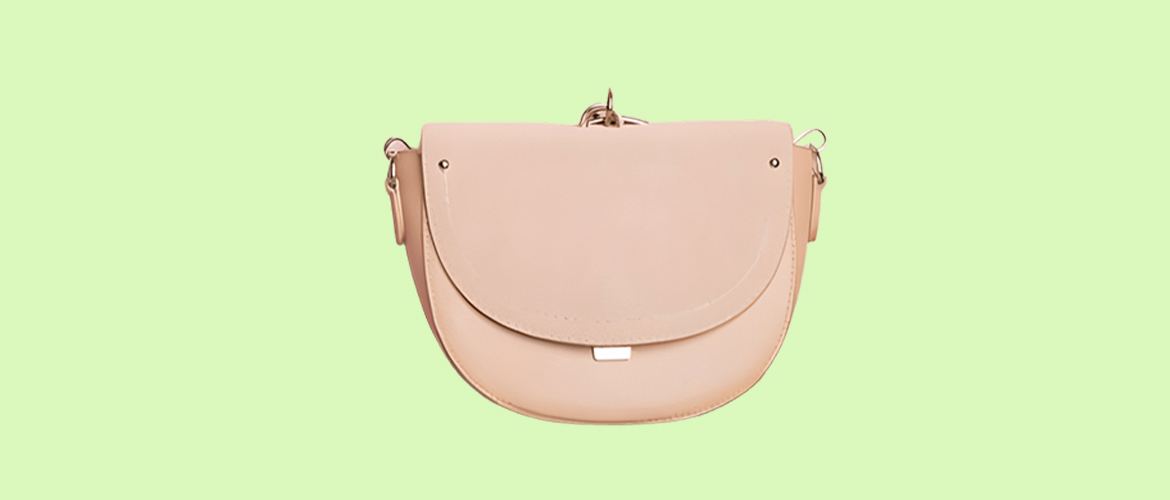
For decades, the first question anyone asked when buying a new accessory was centered on the palette. We looked for the ideal shade of tan or a versatile black to anchor our wardrobes.
However, a significant shift is occurring in the world of high-end fashion. While color still plays a role, texture has taken the spotlight as the primary driver of depth and character. In an era where visual saturation is at an all-time high, a flat color no longer commands the room. Instead, it is the tactile quality of a piece that captures the imagination and defines a modern look.
The modern style enthusiast understands that how a bag feels and how it catches the light is far more impactful than the specific pigment of the dye. Texture introduces a sensory experience that color alone cannot provide. It transforms a simple object into a three-dimensional work of art.
When you choose an accessory based on its surface detail, you are opting for a level of sophistication that transcends seasonal trends. This evolution in taste reflects a deeper appreciation for craftsmanship and the subtle nuances that make an item feel truly unique and personal in a crowded marketplace.
The Sensory Appeal of Tactile Design
In the current landscape, the eyes are often overwhelmed by digital screens and vibrant advertisements. This has led to a collective craving for something tangible and grounded. Texture satisfies this need by offering a physical connection to our belongings. A pebbled leather surface or a rich croc-embossed finish provides a rhythmic quality to an outfit.
When you run your hand over a well-crafted bag, the variation in the grain tells a story of quality and intention. This sensory feedback is why many are moving away from flat, plastic-like finishes in favor of materials that possess a natural, lived-in feel.
Texture also plays a central role in deciding how a bag behaves in different environments. A high-gloss patent finish reflects light sharply, making a bold statement that works beautifully for high-energy events. Conversely, a soft brushed nubuck or suede absorbs light, creating a muted and approachable elegance that is ideal for professional settings or relaxed weekend brunches.
By valuing texture, you tend to gain control over the “mood” of your accessory. You are no longer limited by whether a color matches your shoes; instead, you are focused on whether the vibe of the material matches the energy of your day.
Furthermore, textured materials tend to age with more grace than their smooth counterparts. A smooth, flat leather can often show every minor scratch or water spot, which can detract from the overall polished look.
However, a bag with a natural grain or a structured pattern incorporates these signs of wear into its character. The material evolves with you, becoming more beautiful as it softens and develops a patina.
This longevity is a key component of modern value, ensuring that your choice remains a staple of your collection for years to come without losing its visual appeal.
Creating Depth Without Visual Noise
One great advantage of focusing on texture over color is the ability to create a monochrome look that is anything but boring. In the past, wearing all one color was often seen as flat or uninspired.
By introducing various textures, you can wear a single shade from head to toe while maintaining a high level of visual interest. A matte black leather bag paired with a wool coat and a silk trouser creates a rich, layered aesthetic.
The different ways these materials interact with light provide the contrast that color used to provide, resulting in a look that is sophisticated and cohesive as well.
This approach allows for a much more versatile wardrobe. When you rely on texture for impact, your accessories become more adaptable. A neutral-colored bag with a striking weave or a quilted pattern can be paired with nearly any outfit in your closet. It provides a focal point that draws the eye without clashing with other colors.
This "quiet power" is the hallmark of contemporary sophistication. It is about making a statement through the quality of the build and the intricacy of the surface rather than relying on a loud or neon hue to get noticed.
Additionally, texture allows for a more nuanced expression of personal style. Someone who prefers a rugged, adventurous look might gravitate toward heavy grains and thick, oil-tanned leathers. Meanwhile, someone with a preference for minimalist, architectural fashion might choose smooth, architectural skins with sharp, clean lines.
Because texture is so closely tied to the physical nature of the material, it communicates your personality in a way that a simple color choice never could. It suggests a level of discernment and an appreciation for the "how" and "why" of fashion.
The Role of Craftsmanship and Detail
When texture is the priority, the quality of the craftsmanship becomes impossible to hide. You cannot make mask poor construction when the surface of the bag is designed to be the main attraction.
This shift has encouraged designers to return to traditional techniques, such as hand-weaving, intricate stitching, and specialized tanning processes. These methods highlight the natural beauty of the hides and fabrics, celebrating the inadequacy and unique characteristics that make each piece one of a kind.
For the consumer, this means that buying a textured bag is often synonymous with buying a piece of superior quality.
Intricate details like raised seams, perforated seams, or laser-cut designs tend to add another layer to the conversation. These elements provide an architectural feel to the handbag, making it look like a curated object rather than a mass-produced item.
In a world of fast-fashion, these details are what set a person apart. They show that you value the item and skill required to create something complex. When you carry a bag with a rich and intentional texture, you are signalling an alignment with slow fashion and enduring style, which is more relevant today than ever before.
Even the hardware plays into the textural narrative. The contrast between a cold, smooth metal clasp and a warm, grainy leather creates a satisfying balance. Designers are increasingly experimenting with brushed, hammered, or matte-finished metals to complement the tactile nature of the bags themselves.
This holistic approach to design ensures that every inch of the accessory is considered. The result is a piece that feels complete and balanced, offering a level of satisfaction that goes beyond the initial visual impression and stays with the owner every time the bag is used,
Elevating the Every Day
Ultimately, the move toward texture is a move toward a more thoughtful way of dressing. It inspires us to look closer and appreciate the fine details of our surroundings. A handbag is a frequently used accessory in a person’s arsenal, and by choosing one with a compelling texture, you elevate every interaction you have with it.
Whether you are reaching for your phone during a busy workday or setting your bag down on a table during a celebration, the tactile quality of the piece provides a consistent reminder of quality and style.
As trends continue to evolve, the focus on material integrity will likely only grow stronger. Color will always have its place, but texture is what gives an item its soul. It is the difference between an accessory that is merely functional and one that is truly exceptional.
By embracing the power of texture, you tend to unlock a new dimension of fashion that is grounded in reality yet elevated by artistry. You move beyond the superficiality of “the color of the season” and step into a world of timeless, tactile elegance that speaks volumes without saying a word.
In conclusion, when you are searching for your next signature piece, look beyond the swatch of color. Feel the grain, observe the way the shadows fall into the creases of the leather, and consider how the surface will feel against your hand.
In the modern world, texture is the true measure of style. It is the element that provides depth, durability, and a sense of sophistication that is felt as much as it is seen. By prioritizing the tactile, you ensure that your style remains as multidimensional and interesting as the life you live.